
Are We Pathologising Normal Human Emotions?
Are you trying to identify your “attachment style” or "suffering from PTSD” from that boy? Does your messy room “trigger your OCD,” or was your 2026 New Year's resolution to “practice self-care”? This is how social media, or daily conversations, are starting to sound.

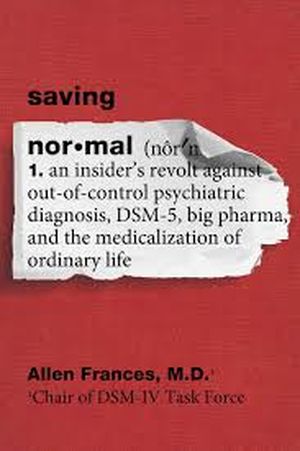
Clinical language is becoming everyday language while often carrying a very different meaning within psychology. While reducing stigma around mental health, the implementation of these terms can blur the line between normal human emotions and diagnosable disorders.
Why Clinical Words Have Been Added to Everyday Vocabulary
As humans, we search for explanations for our thoughts, emotions, and behaviors to make it easier to understand ourselves, especially when something is confusing, uncomfortable, or we are experiencing intense emotions. When we find ourselves unable to concentrate, overthinking about something, or even experiencing struggles when dealing with change, we may use familiar psychological labels, such as ADHD, trauma, and anxiety, to make sense of what we are feeling. These labels give us immediate answers and can make it easier for us to explain our behaviors, although they may not always accurately describe what is happening.
This can happen partly due to the human brain's process of categorization, which attempts to organize and process information efficiently instead of analyzing each detail of our life to the full extent. This is done to allow us to process information efficiently while reducing the cognitive effort that is needed to interpret the world around us. Due to psychological terminology becoming more familiar to us, we may attempt to connect our experiences with these familiar labels. For example, if someone is feeling distracted, jittery, and emotionally overwhelmed, the brain may quickly associate these feelings with terms such as "anxiety" or “ADHD” through categorization to try to make sense of our emotions rather than considering any other facts that could have caused these emotions, such as environmental pressures, tiredness, etc...
Humans find a sense of discomfort in uncertainty. By using familiar labels, structure can be provided to offer an explanation for our behavior. By doing this, we may feel more confident that we are aware of what we are experiencing, reducing the feelings of discomfort and uncertainty. In other words, these labels attempt to provide validation towards our emotions while reducing self-blame. The use of the labels makes the feeling more comforting rather than frightening. However, it does not mean the label is clinically accurate.
The issue with this is that it can contribute to confirmation bias. We look for information that correlates with the idea we have and overlook any information that doesn't agree with it. An example of this is someone believing a specific disorder explains their experiences, making them pay more attention to symptoms that support this belief while overlooking information that does not. This can contribute to misunderstandings around mental health. This is where it's crucial to know that becoming aware of the name of a disorder is far from understanding the clinical meaning, as this can make the recognition of a disorder confused with understanding. It's key to remember that human behavior has many different possible explanations regardless of mental health problems.
Lastly, humans adopt similar behaviors to those around them and learn through observations (social learning theory); the constant exposure to these terms through social media or conversations allows the human brain to recognize the situation they are used in and repeat it in conversation.
Overall, the increased use of clinical terms in daily life is due to psychology becoming more mainstream through social media, podcasts, and online mental health content, allowing people to have more exposure to psychological explanations, making clinical terminology more available.
Although social media can drive confirmation bias, as interacting with or searching one mental health-related topic will lead to the algorithm pushing similar content. Repeated exposure to content about an illness can strengthen one's beliefs about an illness and make a mental health diagnosis more applicable.
A Symptom Isn't Always a Disorder
Everyone feels anxious; not everyone has an anxiety disorder; a lot of people prefer a tidy room; not everyone has OCD; we all experience stressful events, but not everyone then has PTSD. There is a large misconception that experiencing the symptoms means you have a mental health disorder. Emotions exist on a spectrum, and humans experience a variety of emotions in response to our daily lives. Feeling anxious before an exam or feelings of sadness after a breakup are normal, even adaptive. Anxiety before a stressful event allows us to prepare for challenges, and sadness is a natural response to experiencing loss. This doesn't mean you have depression or an anxiety disorder, but that you're human and experiencing emotions the way you should. The frequency, intensity, duration, and the impact the emotions have on a person's daily life are what separates emotions from a diagnosis. This does not invalidate daily struggles, although recognizing the true difference between an emotional response and disorders allows mental health to be acknowledged more accurately.
The mainstream use of these terms can be harmful once the genuine meaning is diluted. For example, saying "Im so OCD" because you prefer things to be tidy does not reflect the complexicity of Obssesive-Compulsive Disorder. This showcases how becoming aware of a term can sometimes be mistaken for understanding the true nature of the disorder.
Why Does This Matter?
Over the past decade, terms such as “emotional regulation”, "gaslighting" and “trauma responses,” have become far more present and recognized which is also due to mental health infromtion becoming more accessible. However, it is key to remember that awareness doesn't always translate into understanding.
At first glance, using words like “OCD” or “PTSD” may not be completely alarming, although it is important to remember that the language we use shapes the way we think. For example, if “OCD” is used to explain the need for a space to be tidy, it completely moves away from the complexity of the disorder. These terms were brought to light to make it simpler for clinicians/ patients to understand the disorder through the thoughts, patterns, and behaviors that occur, but the over-use of these terms can jeopardize their helpfulness.
It's Not All Bad
A positive aspect of this is the increase in mental health awareness and less stigma around mental health. The decrease in stigma around mental health allows people to talk about what they are struggling with more freely, as well as makes it easier to reach out for help without the fear of being judged. The mainstreaming of these terms also allows for improvements in self-recognition as people can name their struggle and take off self-blame by acknowledging that it is an illness, not a weakness.
Most importantly, the mainstreaming of clinical terms showcases that there is improvement in advocacy around mental health to be taken as seriously as physical health is.
Recommendations